For most wines, heat, rough travel, and age are enemies. Madeira is the glorious exception.
Produced on the rugged Portuguese archipelago of Madeira, Madeira wine may be the most indestructible fine wine ever created. It can survive decades—sometimes centuries—after opening, and unlike delicate table wines that collapse in warm temperatures, Madeira actually developed its signature style because of heat and motion during long ocean voyages.
For wine lovers who have never tried it, Madeira feels like discovering a secret category hidden in plain sight.
The volcanic Madeira islands sit in the Atlantic Ocean about 600 miles off the coast of Morocco. Claimed by Portugal in the early 1400s, the islands quickly became a strategic stop for ships traveling between Europe, the Americas, Africa, and the East Indies. Barrels of local wine were loaded onto ships as provisions and trade goods.
Then something strange happened.
Merchants noticed that wine which had crossed the equator and returned—sloshing in barrels through tropical heat for months at sea—tasted dramatically better than wine left safely in European cellars. The heat caramelized sugars, softened harshness, and created deep flavors of roasted nuts, toffee, dried fruit, and spice.
Instead of avoiding these conditions, Madeira producers embraced them. Today, Madeira is intentionally heated during production to recreate the effects of those ocean
voyages. It is one of the few wines where “mistreatment” became the defining feature of quality.
This unusual durability made Madeira enormously popular in colonial America. The Founding Fathers adored it. Because it survived long sea journeys without spoiling, Madeira was one of the most reliable luxury wines available in the colonies. It reportedly toasted the signing of the United States Declaration of Independence, and figures like Thomas Jefferson, George Washington, and Benjamin Franklin were devoted fans.
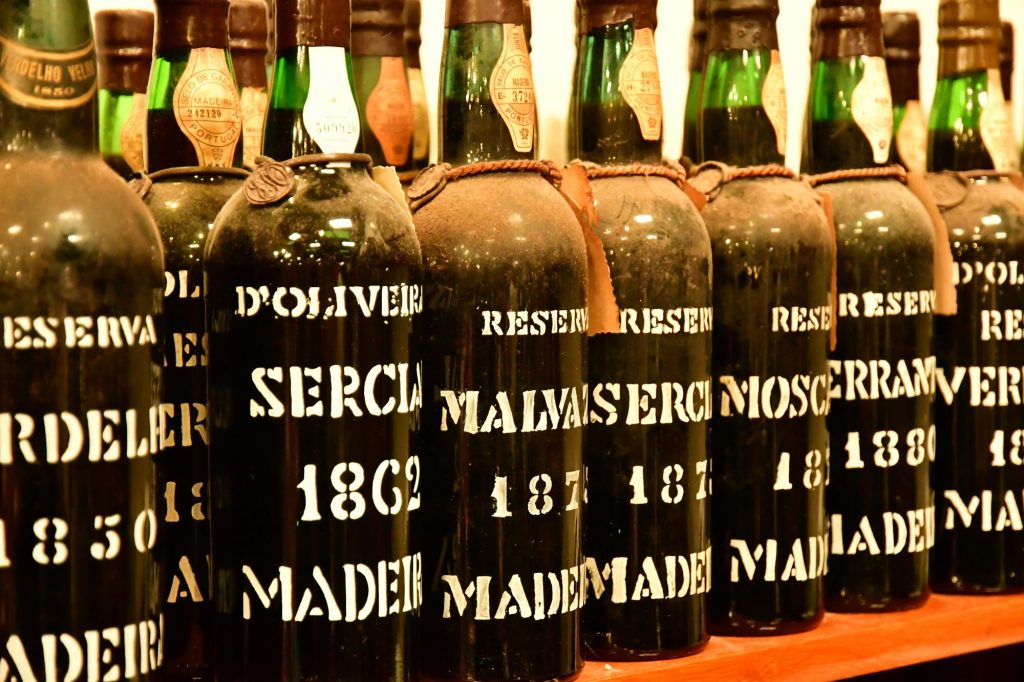
Madeira comes in several styles, ranging from dry to richly sweet, depending largely on the grape variety used. The four classic noble grapes are Sercial (dry), Verdelho (medium-dry), Bual or Boal (medium-rich), and Malvasia or Malmsey (sweet and decadent). Today, much Madeira is also produced from the versatile Tinta Negra grape.
The production process is unlike any other wine in the world. After fermentation, grape spirit is added to fortify the wine, similar to Port. The wine is then heated and oxidized deliberately. More affordable Madeira is warmed in large heated tanks through the “Estufagem” process. Premium Madeira undergoes the traditional “Canteiro” method, aging slowly for years in barrels stored in warm attic-like warehouses where natural heat works its magic gradually.
Oxidation, which ruins most wines, is essential to Madeira’s flavor profile. That is why bottles from the 1800s can still taste astonishingly alive today. Collectors routinely open Madeiras that are 50, 100, or even 150 years old.
And the flavors? They are unforgettable.
Good Madeira often tastes like liquid pecan pie: toasted walnuts, burnt caramel, orange peel, espresso, maple, figs, baking spice, and smoky sea air wrapped together with electric acidity. Even sweet styles remain balanced because the wine’s natural acidity keeps it vibrant rather than heavy.
For newcomers, a 10-Year Malmsey or Bual is often the perfect introduction.
In the United States, strong selections can often be found through Rare Wine Co., Wine.com, and Total Wine.com.
One of Madeira’s greatest strengths is versatility. Dry Sercial pairs beautifully with consommé, salted nuts, oysters, or hard cheeses. Verdelho works wonderfully with mushroom dishes and roasted poultry. Richer Bual and Malmsey styles shine with pecan pie, crème brûlée, bread pudding, blue cheese, dark chocolate, or simply on their own after dinner.
But perhaps Madeira’s ideal setting is conversation.
Unlike fragile wines that demand immediate consumption, Madeira encourages lingering. A bottle can remain open for weeks or months with little decline. It belongs beside a fireplace, on a rainy evening with friends, or at the end of a long dinner when nobody wants the night to end.
Few wines carry history, resilience, and flavor in such a singular way. Madeira is not just another dessert wine—it is a survivor of storms, oceans, revolutions, and centuries. And somehow, all of that ends up in the glass.
To celebrate America’s 250 th anniversary look at toasting, like our founding fathers, with a glass of Madeira.
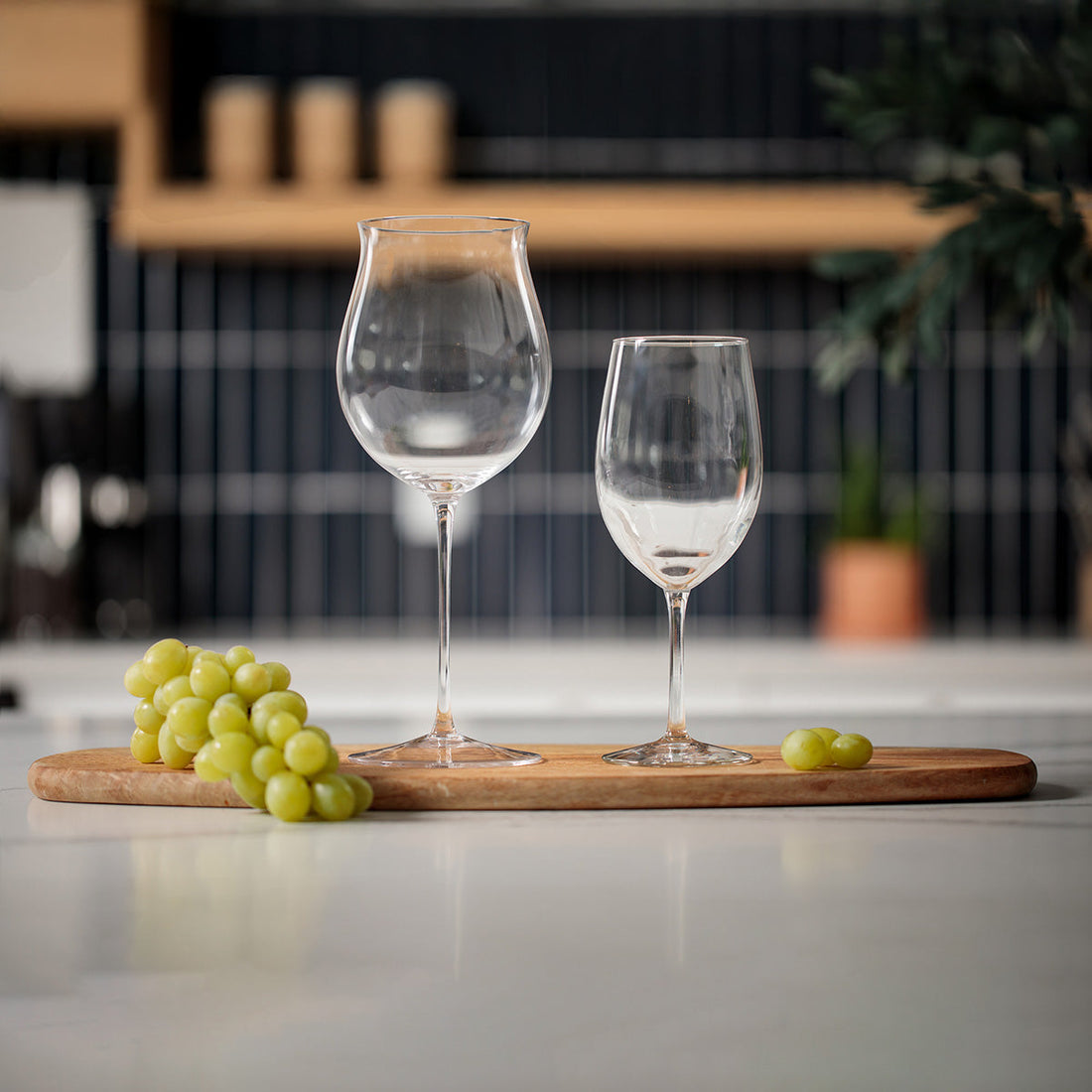
Madeira is much complimented by a Big Wine Glass from www.bigwineglasses.com.
We recommend the Piccolo. Cheers!